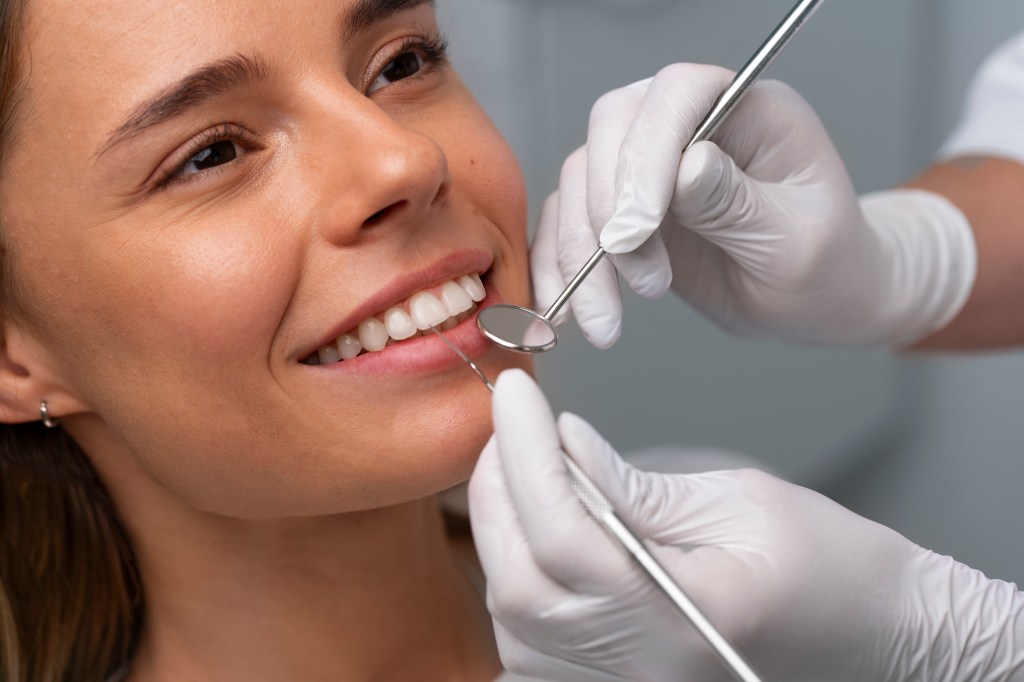
A beautiful smile can boost confidence, improve first impressions, and help you feel more comfortable in social and professional settings. That’s one reason why many people choose dental veneers in Carlisle to address concerns such as stained, chipped, uneven, or slightly misaligned teeth. Veneers are designed to look natural and provide long-lasting cosmetic improvements, but proper care is essential after treatment.
Many patients assume that veneers require little maintenance once they are placed. While veneers are durable, certain habits and mistakes can reduce their lifespan or affect their appearance. Understanding what to avoid can help protect your investment and keep your smile looking its best for years.
In this guide, we’ll explore the most common mistakes people make after getting veneers and how to avoid them.
What Are Dental Veneers?
Dental veneers are thin shells that are bonded to the front surface of teeth to improve their appearance. They can correct a variety of cosmetic concerns, including discoloration, minor gaps, worn enamel, and irregular tooth shapes.
Patients typically choose between Composite Veneers in Carlisle and Porcelain Veneers in Carlisle, depending on their goals, budget, and long-term expectations. Both options can enhance a smile, but they differ in durability, stain resistance, and maintenance requirements.
Regardless of the material used, veneers require proper care to ensure lasting results.
Why Proper Veneer Care Matters
Veneers are strong, but they are not indestructible. Just like natural teeth, they can be damaged by poor habits and neglect.
Proper veneer care helps:
- Maintain a bright, attractive smile
- Prevent chips and cracks
- Extend the lifespan of veneers
- Protect the surrounding natural teeth
- Reduce future dental expenses
A few simple precautions can make a significant difference in how long your veneers last.
Common Mistakes to Avoid After Getting Veneers
1. Using Your Teeth as Tools
Many people unknowingly use their teeth to open packages, tear tape, or remove bottle caps. This places unnecessary pressure on veneers and can lead to chipping or cracking.
Always use the proper tools instead of your teeth.
2. Ignoring Daily Oral Hygiene
One of the biggest misconceptions is that veneers do not require brushing and flossing.
Although veneers themselves cannot develop cavities, the natural teeth underneath still can. Poor oral hygiene may lead to gum disease, tooth decay, and other complications that can affect veneer longevity.
Maintain a routine that includes:
- Brushing twice daily
- Flossing every day
- Using a non-abrasive toothpaste
- Attending regular dental checkups
3. Chewing Hard Objects
Chewing on hard objects can damage both natural teeth and veneers.
Common examples include:
- Ice cubes
- Pens and pencils
- Hard candies
- Fingernails
Repeated pressure increases the risk of fractures and unnecessary wear.
4. Consuming Staining Foods Without Care
Patients who choose Porcelain Veneers in Carlisle benefit from excellent stain resistance. However, surrounding natural teeth can still discolor over time.
Frequent consumption of the following may affect the overall appearance of the smile:
- Coffee
- Tea
- Red wine
- Dark-colored sodas
- Tobacco products
Rinsing with water after consuming staining beverages can help minimize discoloration.
Many patients also find it helpful to learn more about eating habits after treatment. For example, you may want to read Can You Eat Normally with Veneers? 12 Foods to Enjoy, Limit, or Avoid to better understand which foods support long-term veneer health.
5. Skipping Regular Dental Visits
Routine dental examinations help identify small issues before they become larger problems.
Your dentist can:
- Check veneer integrity
- Monitor gum health
- Remove plaque buildup
- Detect early signs of damage
Professional cleanings also help maintain the appearance of your smile.
6. Grinding or Clenching Your Teeth
Teeth grinding, also known as bruxism, places excessive pressure on veneers.
Common signs include:
- Jaw soreness
- Headaches
- Tooth sensitivity
- Worn tooth surfaces
If you grind your teeth at night, your dentist may recommend a custom night guard for protection.
7. Choosing Abrasive Dental Products
Not all toothpaste products are suitable for veneers.
Avoid:
- Whitening toothpaste with harsh abrasives
- Charcoal-based products
- Extremely abrasive polishing agents
These products may gradually dull the surface of veneers and contribute to unnecessary wear.
Common misconceptions or mistakes (Myth vs Truth)
- Myth: Veneers are maintenance-free.
Truth: Veneers lower routine work but still need proper brushing, flossing, and dental visits. - Myth: You can chew anything once veneers are placed.
Truth: Avoid biting very hard objects (ice, pens, hard candies) and limit sticky foods. - Myth: Veneers last forever.
Truth: Porcelain veneers can last 10–15+ years with care; composites may last 5–7 years depending on wear and habits. - Myth: Whitening toothpaste will safely whiten veneers.
Truth: Most whitening agents don’t change veneer color; speak to your dentist before using whitening treatments.
Tips and best practices
- Use a night guard if you grind or clench your teeth (bruxism). This prevents chips and stress fractures.
- Avoid biting directly into hard foods cut apples, corn on the cob, or crusty bread into smaller pieces.
- Skip habits like chewing on pens, opening packages with your teeth, or using them as tools.
- Choose a non-abrasive toothpaste and avoid aggressive scrubbing to maintain the veneer surface.
- Limit stain-causing drinks (coffee, red wine, cola) or use a straw to reduce exposure for front veneers.
- Keep regular dental visits; professional cleanings remove buildup around margins that can cause decay.
- If a veneer feels loose or you have sensitivity, contact your dentist immediately. Quick fixes are easier and less costly.
FAQ
1: How long after veneers can I drink coffee or tea?
A: You can drink them right away, but use caution. Porcelain resists stains better than composite, but repeated exposure to staining beverages increases the risk. Rinse with water after drinking and consider using a straw for cold drinks.
2: Will veneers feel different from my natural teeth?
A: Slight differences are normal at first: size, shape, or a slightly altered bite, but most patients adapt within days to weeks. If the bite feels painful or uneven, see your dentist.
3: Are composite veneers cheaper, and do they require different care?
A: Composite veneers tend to cost less and are easier to repair; they may stain more easily. Good oral hygiene and avoiding staining foods help them last longer.
4: Can I whiten my veneers later?
A: Natural teeth can be whitened, but veneers typically do not respond to bleaching. If you plan whitening, do it before getting veneers or discuss options with your dentist.
5: What if a veneer chips or falls off?
A: Keep the piece if possible, avoid chewing on that side, and call your dentist. Composite repairs can sometimes be done chairside; porcelain usually needs lab work.
6: Are there special toothpastes or mouthwashes to use?
A: Use non-abrasive fluoride toothpaste. Alcohol-free mouthwash is preferable to prevent weakening the bonding agent around the veneer margins.
7: Which option lasts longer: composite or porcelain veneers?
A: Generally, Porcelain Veneers in Carlisle offer greater durability and stain resistance than composite alternatives.
Conclusion
Taking a few sensible precautions after receiving dental veneers in Carlisle will protect your new smile and extend the life of your restorations. Avoid hard or sticky habits, maintain gentle but consistent oral care, and follow up with your dental team for regular checks.
If you’re considering Composite Veneers in Carlisle or Porcelain Veneers in Carlisle, discuss your lifestyle and expectations with your dentist so they can recommend the best material and aftercare plan for you.
Ready to learn more or book a consultation? Contact a trusted local cosmetic dentist to review options and get a personalized care plan for your veneers.
Also Learn More : Gum Disease Treatment for Seniors: Special Considerations


Leave a Reply