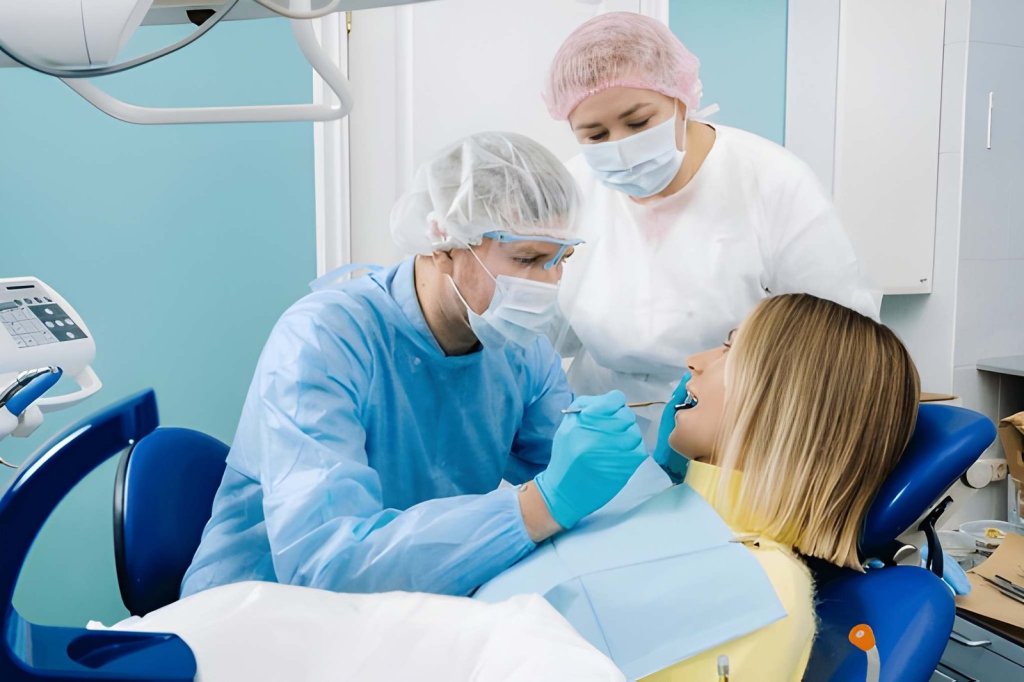
Tooth pain that appears when you sip hot coffee or enjoy ice cream can quickly turn everyday moments into uncomfortable ones. Tooth sensitivity is one of the most common dental concerns, affecting millions of adults worldwide. According to the American Dental Association (ADA), tooth sensitivity often develops when the protective enamel wears down or when gums recede, exposing the softer dentin beneath.
While many cases improve with simple home care, some situations require professional dental treatment. In certain cases, untreated damage may eventually lead to Tooth Extraction in Carlisle if the tooth cannot be saved. Understanding the difference between temporary sensitivity and a serious dental problem helps you make informed decisions before discomfort becomes a bigger issue.
In this guide, you’ll learn the real causes of sensitive teeth, natural ways to reduce discomfort, professional treatments, common myths, and when it’s time to visit your dentist.
What Causes Tooth Sensitivity?
Tooth sensitivity happens when the inner layer of your tooth, called dentin, becomes exposed. Tiny channels inside the dentin connect directly to the tooth’s nerve. Hot, cold, sweet, or acidic foods stimulate these channels, causing that familiar sharp pain.
Common causes include:
- Worn enamel from aggressive brushing
- Gum recession
- Tooth decay
- Cracked teeth
- Teeth grinding (bruxism)
- Acid erosion from diet or acid reflux
- Recent dental procedures
Sensitivity is often a symptom not the actual problem. Finding the root cause is the key to long-term relief.
Can You Fix Sensitive Teeth Naturally?
Many mild cases improve with consistent home care. Natural methods work best when sensitivity results from enamel wear rather than infection or severe damage.
1. Use a Desensitizing Toothpaste
These toothpastes contain ingredients that block pain signals traveling to the tooth nerve.
For best results:
- Brush twice daily
- Don’t rinse immediately after brushing
- Continue using it for several weeks
Most people notice improvement within two to four weeks.
2. Brush Gently
Scrubbing harder doesn’t clean better.
Choose:
- A soft-bristled toothbrush
- Gentle circular motions
- Fluoride toothpaste
Brushing too aggressively gradually removes enamel and pushes gums away from teeth.
3. Reduce Acidic Foods
Acid weakens enamel over time.
Limit foods such as:
- Soft drinks
- Citrus fruits
- Sports drinks
- Vinegar-heavy foods
If you do consume acidic drinks, rinse with water afterward and wait about 30 minutes before brushing.
4. Protect Your Teeth at Night
Many people grind their teeth without realizing it.
If you wake up with:
- Jaw pain
- Headaches
- Sensitive teeth
Talk with your dentist about a custom night guard.
When Professional Treatment Is the Better Option
Natural remedies help only when the underlying problem is mild.
Professional treatment becomes necessary if sensitivity:
- Lasts longer than several weeks
- Gets worse instead of better
- Occurs while biting
- Causes spontaneous pain
- Appears with swelling
Ignoring these warning signs may allow small problems to become much larger ones.
In advanced situations involving severe infection or extensive damage, Tooth Extraction in Carlisle may become the safest option after every effort has been made to save the tooth.
Professional Treatments That Really Work
1. Fluoride Treatments
Professional fluoride strengthens weakened enamel and helps reduce sensitivity quickly.
2. Dental Bonding
If exposed roots cause pain, dentists can cover sensitive areas using tooth-colored resin.
3. Gum Grafting
For significant gum recession, grafting protects exposed roots and improves long-term comfort.
4. Root Canal Therapy
When the tooth nerve becomes infected, a root canal removes damaged tissue while preserving the tooth.
5. Tooth Extraction
If the tooth has severe structural damage, advanced decay, or cannot be restored safely, Tooth Extraction in Carlisle may be recommended to eliminate pain and protect surrounding teeth.
Who May Need Specialized Oral Surgery?
Most sensitive teeth never require surgery.
However, patients with impacted wisdom teeth, complex infections, jaw problems, or severely damaged teeth may need evaluation for Oral and Maxillofacial Surgery in Carlisle PA.
These specialists manage conditions involving:
- Impacted teeth
- Facial trauma
- Jaw abnormalities
- Bone grafting
- Complex tooth removal
They work closely with general dentists to create the safest treatment plan.
Can Teeth Whitening Increase Sensitivity?
Many patients ask whether whitening treatments make sensitive teeth worse.
Professional whitening and at-home whitening kits can temporarily increase sensitivity because bleaching agents penetrate the enamel to remove stains.
This raises another common question:
Does Professional Teeth Whitening Really Last Longer Than At-Home Kits?
The answer depends on several factors, including the whitening system, your eating habits, smoking history, and oral hygiene routine. Professional treatments generally use stronger whitening agents under dental supervision and often produce longer-lasting results than most over-the-counter products. However, maintaining results still requires good oral care and limiting stain-causing foods and beverages.
If you already struggle with tooth sensitivity, discuss whitening options with your dentist before beginning treatment.
Can Wisdom Teeth Cause Tooth Sensitivity?
Absolutely.
Impacted wisdom teeth can place pressure on nearby teeth, trap bacteria, and contribute to inflammation.
If wisdom teeth become infected, they may trigger pain that feels similar to sensitivity.
Many patients eventually require Wisdom Tooth Extraction in Carlisle PA when wisdom teeth begin causing repeated discomfort, swelling, or infection.
Removing problematic wisdom teeth often protects neighboring teeth from future complications.
The Role of Oral and Maxillofacial Surgery
Some dental problems require more advanced treatment than routine dentistry.
Specialists trained in Oral and Maxillofacial Surgery in Carlisle PA perform procedures involving complex extractions, jaw conditions, facial trauma, bone grafting, and dental implant preparation.
These specialists receive additional surgical training beyond dental school, allowing them to manage complicated cases safely and effectively.
When your general dentist refers you to an oral surgeon, it simply means your treatment requires specialized expertise.
Common Mistakes That Make Sensitive Teeth Worse
Many people unknowingly increase their sensitivity.
Avoid these habits:
- Brushing immediately after acidic foods
- Using hard-bristled toothbrushes
- Whitening products too frequently
- Ignoring cavities
- Skipping routine dental checkups
- Grinding your teeth without treatment
Small daily habits often make a significant difference.
Myth vs Reality
Myth: Sensitive teeth always mean you need a root canal.
Reality: Most sensitivity comes from exposed dentin or enamel wear not nerve infection.
Myth: Whitening toothpaste is safe for everyone.
Reality: Some whitening products temporarily increase sensitivity.
Myth: Sensitivity will disappear on its own.
Reality: Sometimes it does. However, persistent sensitivity deserves professional evaluation.
Myth: Losing a tooth is the only solution.
Reality: Dentists can often save teeth using modern restorative treatments. Tooth Extraction in Carlisle is typically considered only when other treatment options cannot restore the tooth successfully.
When Should You See a Dentist?
Schedule an appointment if you experience:
- Sensitivity lasting longer than two weeks
- Pain while chewing
- Swollen gums
- Bleeding around one tooth
- Broken fillings
- Cracked teeth
- Severe pain that wakes you at night
Prompt diagnosis usually means simpler and less expensive treatment.
Tips for Keeping Teeth Comfortable Every Day
Good daily habits protect enamel and reduce future sensitivity.
- Brush twice daily with fluoride toothpaste.
- Floss every day.
- Drink plenty of water.
- Limit sugary snacks.
- Wear a night guard if you grind your teeth.
- Visit your dentist every six months.
- Replace worn toothbrushes every three months.
- Avoid chewing ice.
Healthy habits are much easier than repairing damaged teeth later.
Frequently Asked Questions
1. Can sensitive teeth heal naturally?
Mild sensitivity often improves with proper brushing, fluoride toothpaste, and avoiding acidic foods. However, sensitivity caused by decay, fractures, or infection requires professional treatment.
2. Is cold sensitivity always a cavity?
No. Cold sensitivity may result from enamel erosion, gum recession, teeth grinding, or recent dental work. A dental examination identifies the exact cause.
3. When is Wisdom Tooth Extraction in Carlisle PA necessary?
Dentists often recommend Wisdom Tooth Extraction in Carlisle PA when wisdom teeth become impacted, repeatedly infected, damage nearby teeth, or cause persistent pain and swelling.
4. Who performs Oral and Maxillofacial Surgery in Carlisle PA?
Dentists refer patients to specialists trained in Oral and Maxillofacial Surgery in Carlisle PA for complex tooth extractions, jaw surgery, facial injuries, bone grafting, and other advanced oral procedures.
5. Can sensitive teeth return after treatment?
Yes. New cavities, gum recession, teeth grinding, or enamel wear can cause sensitivity to return. Maintaining regular dental visits helps detect problems early.
6. Will every damaged tooth require extraction?
No. Dentists always try to preserve natural teeth whenever possible. Tooth Extraction in Carlisle is recommended only when a tooth cannot be repaired safely or predictably.
Conclusion
Tooth sensitivity is often treatable with the right care and early attention. While home remedies can help mild cases, persistent discomfort should be evaluated by a dentist to prevent more serious problems.
Whether you need preventive care, Wisdom Tooth Extraction in Carlisle PA, Oral and Maxillofacial Surgery in Carlisle PA, or Tooth Extraction in Carlisle, timely treatment can protect your oral health and keep your smile comfortable for years to come.
If you’re experiencing ongoing tooth sensitivity or need expert dental care, contact our team today to schedule an appointment. We’ll evaluate your symptoms, explain your treatment options, and help you achieve a healthier, more comfortable smile.
Learn More : 10 Benefits of Choosing Clear Aligners for Orthodontic Treatment
 Carlisle Dental Care
Leave a comment