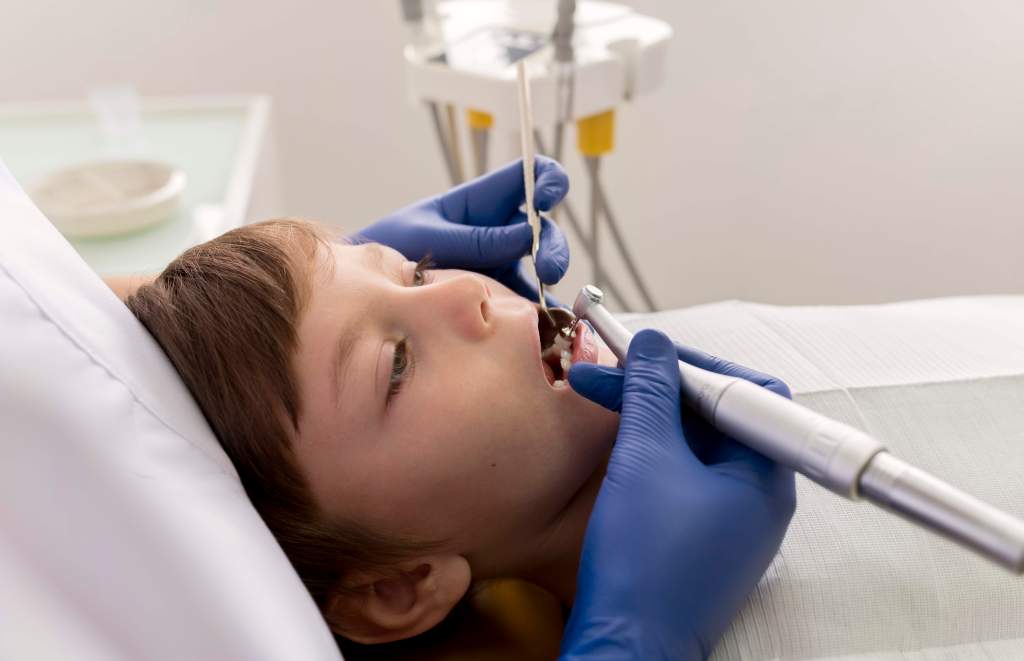
Children’s smiles change quickly. One month, you may be celebrating a first tooth; a few years later, the Tooth Fairy seems to have a full-time job. Regular dental checkups help parents keep up with these changes while giving dentists a chance to identify concerns early.
If you are looking for a pediatric dentist in Carlisle PA, understanding what happens at different ages can make each appointment easier for both you and your child. Pediatric dental visits are not simply about finding cavities. They also help monitor tooth development, evaluate cavity risk, support healthy habits, and teach families how to care for growing smiles.
The American Academy of Pediatric Dentistry (AAPD) recommends a child’s first dental examination when the first tooth erupts and no later than 12 months of age. After that, the timing of ongoing examinations should reflect the child’s individual oral-health needs and risk factors.
Here is what parents can generally expect as children move from infancy through the teenage years.
Why Well-Child Visits Matter
Well-child visits follow a schedule recommended by the American Academy of Pediatrics (AAP). The AAP Bright Futures Periodicity Schedule outlines screenings, assessments, and preventive services from infancy through adolescence.
The Cleveland Clinic summarizes the AAP schedule as visits at 3–5 days after birth, then at 1 month, 2 months, 4 months, 6 months, 9 months, 12 months, 15 months, 18 months, 24 months, 30 months, and annually from ages 3 through 18.
These visits help catch issues early, keep vaccinations on track, and give parents consistent guidance as children grow.
Pediatric Dental Checkups by Age: What Parents Should Expect
Newborn and First Month: Establishing a Baseline
The first visits focus on feeding, weight gain, jaundice, sleep, and overall adjustment after birth.
During the newborn and 1-month visits, your pediatrician may:
- Check weight, length, and head circumference.
- Review feeding patterns and diaper output.
- Screen for jaundice and other newborn concerns.
- Discuss safe sleep practices and car-seat safety.
- Review vitamin D and iron needs if applicable.
- Answer questions about crying, soothing, and normal newborn behavior.
Parents should bring a list of questions and share any concerns about feeding, bonding, or baby’s behavior.
2 to 6 Months: Growth, Vaccines, and Milestones
Visits at 2, 4, and 6 months track rapid growth and early development.
Your pediatrician will:
- Measure growth and plot it on standardized charts.
- Review motor skills such as head control, rolling, and sitting.
- Discuss sleep patterns and safe sleep environments.
- Talk about introducing solids around 6 months when developmentally ready.
- Update vaccines according to the CDC and AAP schedule.
These visits also offer a chance to discuss parental mental health, support systems, and any challenges with feeding or sleep.
9 to 12 Months: First Steps Toward Independence
At 9 and 12 months, children often start crawling, pulling up, or taking first steps. Language and social skills also expand.
During these visits, your pediatrician may:
- Screen for developmental milestones and red flags.
- Check for anemia and lead exposure risk at 12 months.
- Review nutrition, including iron-rich foods and cup use.
- Discuss toothbrushing and early oral health habits.
- Update vaccines such as MMR and hepatitis A at 12 months.
This is also an important time to establish a dental home. The American Dental Association and the American Academy of Pediatric Dentistry recommend that children have their first dental visit by age 1 or within 6 months of the first tooth erupting.jada.ada+2
A pediatric dentist in Carlisle PA can examine your child’s teeth, discuss fluoride, review feeding habits that affect oral health, and create a prevention plan.
15 to 18 Months: Language, Behavior, and Safety
At 15 and 18 months, toddlers become more mobile, curious, and expressive.
Your pediatrician will:
- Screen for developmental delays and autism spectrum concerns.
- Review language development and social interaction.
- Discuss tantrums, routines, and positive discipline strategies.
- Talk about injury prevention, poison safety, and water safety.
- Update vaccines, including hepatitis A booster at 18 months.
Parents should share any concerns about speech, behavior, sleep, or feeding. Early intervention can make a significant difference if delays appear.
24 to 30 Months: Refining Skills and Preparing for Preschool
Visits at 24 and 30 months focus on continued growth, language, and readiness for group settings.
Your pediatrician may:
- Reassess developmental milestones and autism screening.
- Check vision and hearing risk factors.
- Discuss toilet training readiness and approaches.
- Talk about nutrition, picky eating, and healthy snack choices.
- Review safety around stairs, windows, and outdoor play.
Many children also benefit from a second early dental visit during this period to reinforce brushing, review diet, and apply fluoride varnish if appropriate.
Interesting Read: Can Teenagers Use Clear Aligners? Benefits and Considerations
Ages 3 to 5: Preschool, Vision, and Healthy Habits
Annual well-child visits from ages 3 to 5 support school readiness and healthy routines.
During these visits, your pediatrician will:
- Track growth and body mass index trends.
- Screen vision and hearing.
- Review speech, social skills, and pre-academic abilities.
- Discuss sleep schedules, screen time, and active play.
- Update vaccines such as DTaP, IPV, MMR, and varicella between ages 4 and 6.
Oral health remains important. The CDC recommends asking your child’s dentist about dental sealants when appropriate, using a pea-sized amount of fluoride toothpaste, and encouraging children to spit rather than swallow toothpaste.
If you live in Carlisle and want to maintain regular dental care, a pediatric dentist in Carlisle PA can monitor tooth development, apply sealants, and coach parents on cavity prevention.
Ages 6 to 10: School-Age Checkups and Screenings
Annual visits from ages 6 to 10 focus on school performance, behavior, and healthy lifestyle habits.
Your pediatrician may:
- Review academic progress and attention concerns.
- Screen vision, hearing, and occasionally TB risk.
- Discuss nutrition, physical activity, and screen-time limits.
- Talk about bullying, friendships, and emotional health.
- Catch up on any missed vaccines.
Dental care continues to play a role in overall health. Regular checkups help prevent cavities, manage orthodontic needs, and address habits such as thumb-sucking or mouth-breathing.
As children grow, some families also consider cosmetic options later in life. While teeth whitening in Carlisle is not appropriate for young children, teens and adults can discuss safe whitening options with their dentist once permanent teeth are fully developed.
Ages 11 to 14: Early Adolescence and New Screenings
Visits at 11, 12, 13, and 14 years introduce new topics related to puberty, mental health, and risk behaviors.
Your pediatrician will:
- Screen for depression starting at age 12.aap+1
- Review growth spurts, nutrition, and body image.
- Discuss sleep, exercise, and healthy relationships.
- Address vaping, substance use, online safety, and peer pressure.
- Update vaccines such as Tdap, HPV, and meningococcal at 11–12 years.
Adolescents benefit from some private time with the pediatrician to ask questions they may not want to discuss in front of parents.
Ages 15 to 18: Independence, Driving, and Future Planning
Annual visits from 15 to 18 years prepare teens for adulthood.
Your pediatrician may:
- Continue depression and risk-behavior screenings.
- Discuss driving safety, seat-belt use, and distracted driving.
- Review sleep, stress management, and college or career planning.
- Talk about sexual health, consent, and contraception when appropriate.
- Administer a meningococcal booster at age 16 and consider MenB vaccination.
Teens should start taking more responsibility for their health, including scheduling appointments and understanding their medical history.
What If a Child Is Afraid of Dental Treatment?
Some nervousness about dental visits is normal. Dentists can often help children through communication, positive reinforcement, distraction, and other behavior-guidance techniques.
For children who experience significant anxiety or who require certain dental procedures, parents may want to discuss available comfort options with a sedation dentist in Carlisle PA.
Sedation is not automatically necessary simply because a child feels nervous. The appropriate approach depends on the child, medical history, behavior, treatment needs, and other clinical factors.
When pediatric sedation is appropriate, safety requires careful planning. AAPD and American Academy of Pediatrics guidance calls for presedation evaluation, appropriate monitoring, trained personnel, suitable emergency equipment, recovery monitoring, and discharge instructions.
Parents considering care from a sedation dentist should discuss why sedation is being proposed, which type will be used, preparation instructions, potential risks and benefits, monitoring procedures, and what to expect after treatment.
Interesting Read: What Does a Pediatric Dentist Do? A Parent’s Guide to Children’s Dental Care
How Often Should Children Have Dental Checkups?
You may have heard the familiar advice to see a dentist every six months. The AAPD periodicity schedule uses six-month intervals as a general framework for periodic examinations but specifically states that frequency can change according to a child’s risk status, susceptibility to disease, and clinical findings.
That distinction matters.
A child with excellent oral health may have different preventive needs from a child who frequently develops cavities, has orthodontic appliances, experiences dental trauma, or has other health considerations.
Your dentist should recommend a schedule based on the individual child rather than treating every smile exactly the same.
Simple Ways Parents Can Support Healthy Teeth
Dental appointments work best when healthy habits continue at home.
Parents can encourage children to:
- Brush twice daily with an age-appropriate amount of fluoride toothpaste
- Learn to clean between teeth as contacts develop
- Avoid constantly sipping sugary drinks
- Choose water regularly
- Maintain balanced eating habits
- Wear an appropriate mouthguard during contact sports
- Tell an adult about tooth pain or sensitivity instead of ignoring it
- Attend recommended preventive dental visits
Fluoride and sealants can also play important roles in cavity prevention. CDC evidence shows that children who brush with fluoride toothpaste experience fewer cavities, while sealants provide significant protection to vulnerable chewing surfaces.
Prevention is rarely dramatic. That is actually the point. A quiet checkup that ends with “everything looks healthy” is much more enjoyable than discovering a problem after tooth pain begins.
What About Whitening as Children Get Older?
Parents of older teenagers sometimes ask about teeth whitening in Carlisle, particularly before graduation photos, school events, or other special occasions.
Whitening should still begin with professional evaluation rather than a random product from a social-media recommendation. The AAPD notes that whitening treatments can have side effects and recommends incorporating bleaching into an individualized, comprehensive treatment plan.
A dentist can first determine why the teeth appear discolored and whether whitening is appropriate for the patient’s dental development.
Healthy teeth come first. A brighter shade is cosmetic; controlling decay, protecting enamel, and maintaining healthy gums have much greater long-term value.
When Should Parents Contact a Dentist Before the Next Checkup?
Routine checkups are important, but parents should not wait for the next scheduled appointment when a child develops a concerning dental problem.
Contact a dentist if your child experiences persistent tooth pain, swelling, a broken or injured tooth, unusual sensitivity, signs of infection, or another sudden oral-health change.
Likewise, families dealing with substantial dental fear can ask whether additional behavior-management approaches are appropriate. When more advanced anxiety control is being considered, a qualified sedation dentist in Carlisle PA can evaluate the child and explain appropriate options rather than assuming sedation is the first solution.
How Parents Can Prepare for Each Visit
You can make well-child visits more productive by preparing ahead.
Consider:
- Writing down questions and concerns before the appointment.
- Bringing a list of medications, allergies, and past medical issues.
- Sharing any changes in behavior, sleep, school, or family life.
- Asking about vaccines, screenings, and next steps before you leave.
- Scheduling the next well-child visit before you exit the office.
For dental care, plan the first visit by age 1 and continue with regular checkups every six months or as your dentist recommends.
Building a Long-Term Health Plan
Well-child visits create a continuous record of your child’s growth, development, and health. They help your pediatrician spot trends, address concerns early, and adjust guidance as your child matures.
By following the AAP schedule and partnering with your pediatrician and dentist, you give your child a strong foundation for lifelong health.
Whether you need routine pediatric care, a pediatric dentist, or specialized services such as a sedation dentist for complex dental needs, consistent preventive care remains the most powerful tool you have as a parent.
Frequently Asked Questions
1. When should my baby first see a dentist?
The AAPD recommends the first dental examination when the first tooth erupts and no later than the child’s first birthday.
2. Does every child need dental X-rays every six months?
No. The dentist determines when radiographs are appropriate based on factors such as oral health, clinical findings, history, and risk of dental disease.
3. At what age should children get dental sealants?
The need depends on the individual tooth and cavity risk. The first permanent molars generally erupt around age six and second permanent molars around age 12, making these common times to evaluate permanent molars for sealants.
4. Is professional fluoride useful for children?
Fluoride strengthens teeth against acid damage and can help prevent cavities. The appropriate fluoride approach should reflect the child’s age, existing fluoride exposure, and cavity risk.
5. Should children whiten their teeth?
Whitening is not appropriate for every young patient. The AAPD discourages full-arch cosmetic bleaching in primary and mixed dentition and recommends individualized professional planning when whitening is considered.
6. How can I prepare my child for a dental visit?
Keep your explanation simple and positive. Avoid describing dental treatment with frightening words or sharing your own negative dental experiences. For a first visit, presenting the appointment as a normal part of staying healthy can help create a more comfortable introduction to dental care.


Leave a comment