Patients missing teeth may think that the loss is only a cosmetic issue. In fact, missing teeth can, over time, lead to loss of bone in the jaw, which can change the shape of the face and affect surrounding teeth, making further dental work more complex. This is why dental implants in Carlisle are often recommended by dentists as a long-term solution to missing teeth.
Dental implants are a means to regain a natural smile, but they also are critical in preserving the health of the jawbone. This simple guide will inform you on the basics of dental implants, the processes involved, and will answer questions about bone loss so you will be well-prepared before undergoing the procedure. Knowing how implants work will enable you to face the challenge of deciding on a solution to replace missing teeth.
What Is Dental Implants in Carlisle?
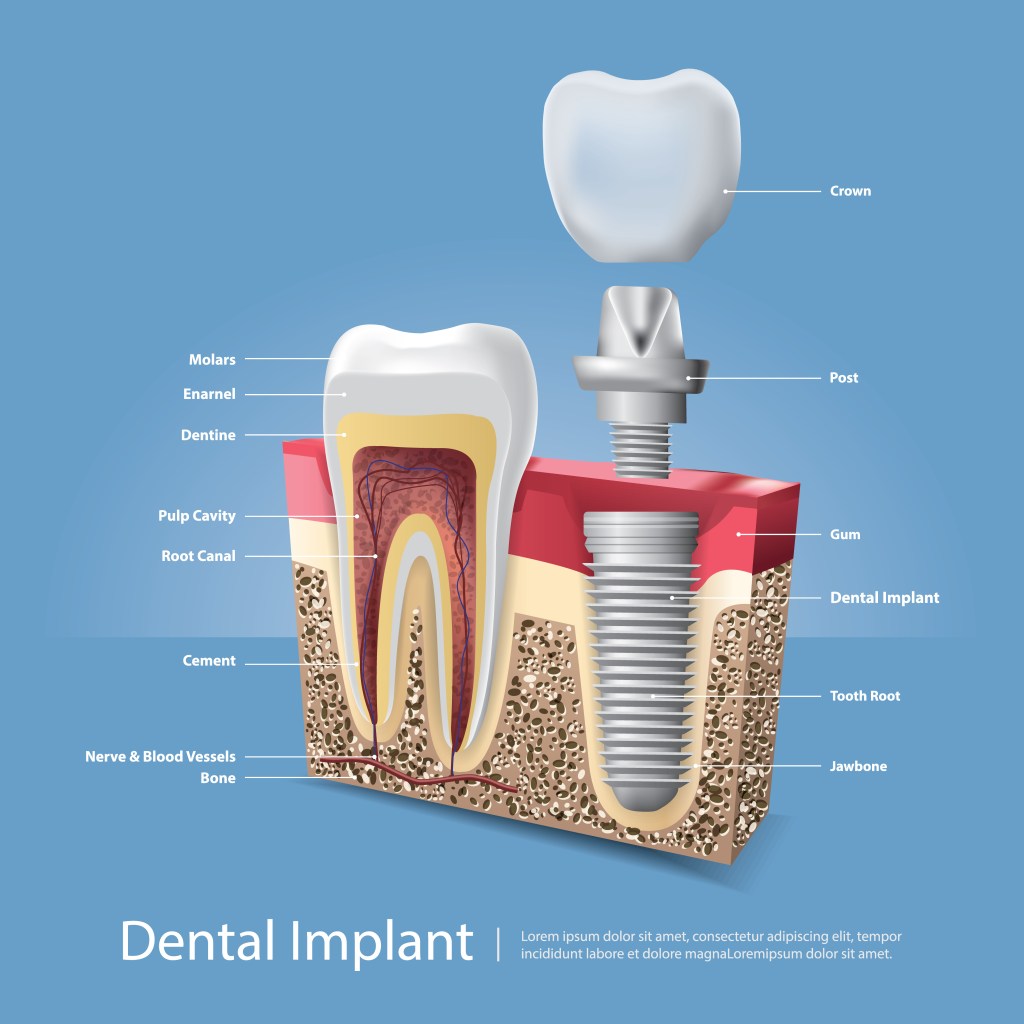
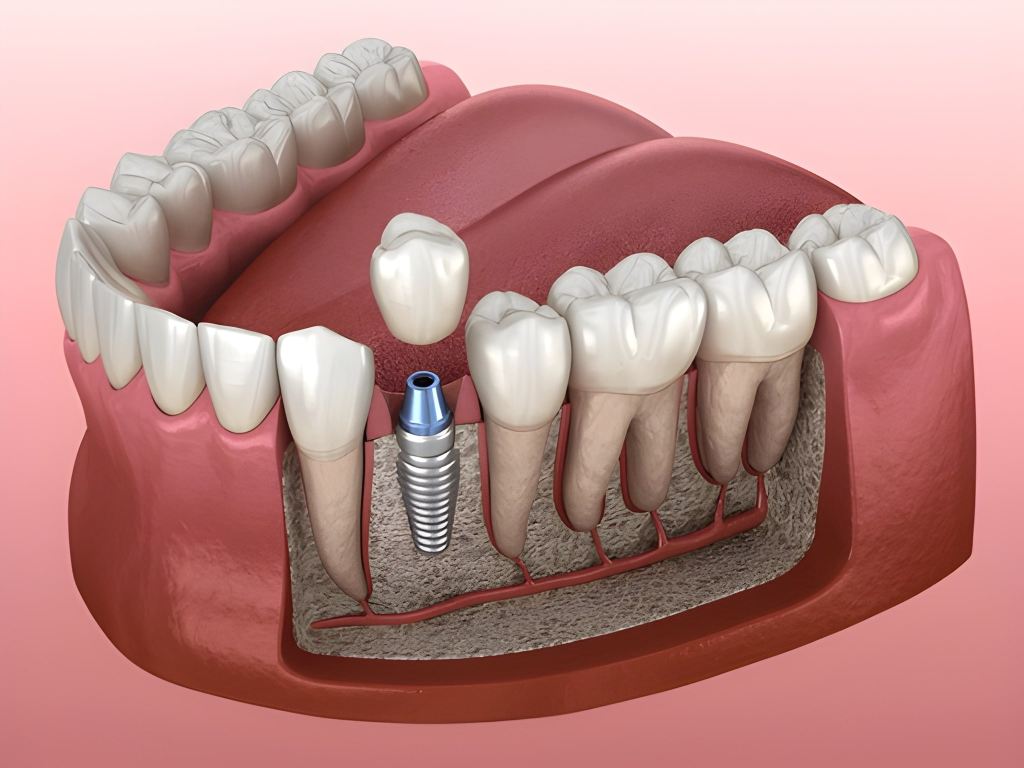
Dental implants are considered to be artificial tooth roots made from materials compatible with the body and are used to support replacement teeth such as crowns, bridges, or dentures. Dental implants are surgically placed in the jawbone, and in Carlisle, implants are made from titanium, as this is the preferred biocompatible material.
Dental implants are composed of three components:
- Implant Post: A titanium screw placed in the jaw.
- Abutment: A connector piece that attaches to the implant and that is typically positioned above the gums.
- Crown: This is the part that is visible and that can be made to resemble a natural tooth. It can also be manufactured in a way that mimics the function of a natural tooth.
Implants are different from removable dentures in that they are fixed in position, and they also integrate with the bone in a process that is referred to as osseointegration. This process of fusion to the bone allows the implant to function like a natural tooth root.
For patients who are missing one tooth, a Single Tooth Dental Implant can restore both the function and the appearance of a tooth without the need to alter the tooth structure of the adjacent teeth.
Why Dental Implants Matter for Jawbone Health
Chewing stimulates the jawbone, and if a natural tooth is lost, the jawbone and the area where the tooth is lost will stop being stimulated causing the body to break down and reabsorb the bone tissue in that area.
This process is known as bone resorption, and it can begin within the first year after a tooth is lost, which is one of the many excellent reasons why dental implants should be placed to replace those teeth.
Dental implants will:
- Stimulate the jawbone during chewing
- Maintain bone density and structure
- Prevent the face from sagging due to bone loss
- Preserve surrounding teeth’s alignment
Implants do not simply replace missing teeth, as Dentists in the Carlisle Dental Clinic routinely tell their patients, implants also help support the entire jaw structure.
This is why for many patients, dental implants become one of the most complete and extensive solutions for their oral health for many years to come.
Key Questions About Dental Implants and Bone Loss
Understanding how implants work can make the treatment process feel less intimidating. Let’s answer some common questions.
1. How Do Dental Implants Prevent Bone Loss?
Natural teeth have roots that stimulate the jawbone every time you chew.
When a tooth is missing that stimulation disappears. Without it the bone begins to shrink.
Implants restore this stimulation because the implant post acts like a natural root. As you chew and bite pressure travels through the implant into the bone and signals the body to maintain the bone tissue.
This is why dental implants in Carlisle are often recommended soon after tooth loss whenever possible.
2. What If Bone Loss Has Already Started?
Sometimes, a patient may start losing bone prior to contemplating treatment.
The good news is that dentists can suggest:
- Bone grafting
- Sinus lifts
- Guided bone regeneration
With these procedures, the jawbone is reconstructed or strengthened to accommodate a dental implant.
An expert dentist from a Carlisle Dental Clinic can formulate the appropriate bone treatment plan through digital imaging evaluation.
3. Are Dental Implants Better Than Bridges or Dentures?
Each treatment option has its place, but implants provide unique benefits.
| Feature | Dental Implants | Bridges | Dentures |
| Bone preservation | Yes | No | No |
| Stability | High | Moderate | Lower |
| Longevity | Long-term | 5–10 years | 5–8 years |
| Affects nearby teeth | No | Yes | No |
For patients missing a single tooth, a Single Tooth Dental Implant can replace the tooth without modifying adjacent teeth, which is required for traditional bridges.
4. How Long Do Dental Implants Last?
With proper care, dental implants can last decades or even a lifetime.
However, longevity depends on factors such as:
- Good oral hygiene
- Regular dental checkups
- Healthy gums
- Avoiding smoking
Dentists providing dental implants in Carlisle often emphasize that implants require the same care as natural teeth.
Common Misconceptions About Dental Implants
There are several myths that make people hesitant about implants.
Myths surrounding dental implants are not uncommon. Here are a few examples and explanations as to why they are incorrect.
Myth 1: Getting dental implants is painful and uncomfortable.
Truth: Most dental implant procedures are performed under a local anesthetic. While there may be some soreness following the procedure similar to that of a tooth extraction, the discomfort is manageable.
Myth 2: Getting a dental implant is purely cosmetic.
Truth: Getting a dental implant can also be a matter of jawbone health. In some cases, it may be necessary to prevent deterioration of the jawbone. In such cases, it is helpful for the long-term function of the mouth.
Myth 3: Dental implants are for younger people/older adults are not considered for implants
Truth: Age is not typically a strict consideration, as overall health and the condition of the bones is of greater importance when considering implants.
Myth 4: Wearing dentures will prevent bone loss.
Truth: While dentures are a replacement for natural teeth, they sit above the teeth and therefore do not provide the necessary stimulation to the jawbone that is vital for bone health.
At the Carlisle Dental Clinic, they do health and cosmetic benefits.
1. Best Practices for Dental Implant Success
If you’re considering implants, these tips can improve long-term outcomes.
2. Maintain Excellent Oral Hygiene
Brush twice daily and floss regularly to protect the gums around the implant.
3. Attend Regular Dental Visits
Routine checkups allow dentists to monitor implant health and detect issues early.
4. Follow Post-Surgery Instructions
After implant placement, your dentist may recommend:
- Soft foods for a few days
- Avoiding smoking
- Gentle oral care during healing
5. Address Missing Teeth Early
The sooner a missing tooth is replaced, the easier it is to prevent bone loss.
Many dentists recommend scheduling a consultation for dental implants in Carlisle soon after tooth loss when possible.
FAQ: Dental Implants and Bone Loss
1. Do dental implants stop you from losing bone?
Dental implants help to keep bone density by helping to stimulate the bone similar to how your natural tooth roots would.
2. How long do dental implants take?
Healing must occur before the implants can fuse to the bone, so this process can span a few months.
3. Is a Single Tooth Dental Implant preferable to a bridge?
In most cases, a Single Tooth Dental Implant can be more advantageous since it allows for the preservation of the adjacent teeth and promotes the health of the jawbone.
4. How safe are dental implants?
Dental implants are very safe, and have been proven so relative to the number of years implants have been used. The risk of an implantation surgery is extremely low, given that it is performed by a professional.
5. Can a Carlisle Dental Clinic assess my suitability for an implant?
Certainly. A trained dentist at Carlisle Dental Clinic can provide an evaluation of your oral health to identify if implants are an option.
Conclusion:
Missing teeth can lead to gradual bone loss, changes in facial structure, and long-term oral health issues. Fortunately, dental implants in Carlisle provide a solution that goes beyond appearance. By replacing the missing tooth root, implants stimulate the jawbone and help maintain its strength and shape.
For many patients, implants offer a stable, long-lasting alternative to traditional bridges or dentures. If you’re considering tooth replacement, consulting a trusted Carlisle Dental Clinic can help you understand your options and determine whether dental implants are the right choice.
Your smile deserves expert care. Contact us today to schedule a consultation and discuss your options.
Also Read More : Emergency Root Canal Treatment: When to See a Dentist Fast

 Carlisle Dental Care