A damaged or missing tooth can make everyday activities surprisingly difficult. Something as simple as enjoying your favorite meal or smiling for a photograph may become uncomfortable. Fortunately, modern dentistry offers several ways to restore your teeth and improve your oral health.
Two common treatments are dental bridges and dental crowns. Although both help restore your smile, they serve different purposes.
Dental bridges in Carlisle can replace one or more missing teeth, while dental crowns help protect and restore existing teeth that have significant damage.
Choosing between these treatments depends on your dental condition, oral health, and long-term goals.
If you’re wondering which option suits your needs, this guide explains how dental bridges and crowns work, their benefits, treatment procedures, costs, and important differences.
Understanding Dental Bridges and Dental Crowns
Dental bridges and crowns are common restorative dental treatments. Both can improve chewing ability, protect oral structures, and restore the appearance of your smile.
However, dentists recommend them for different situations.
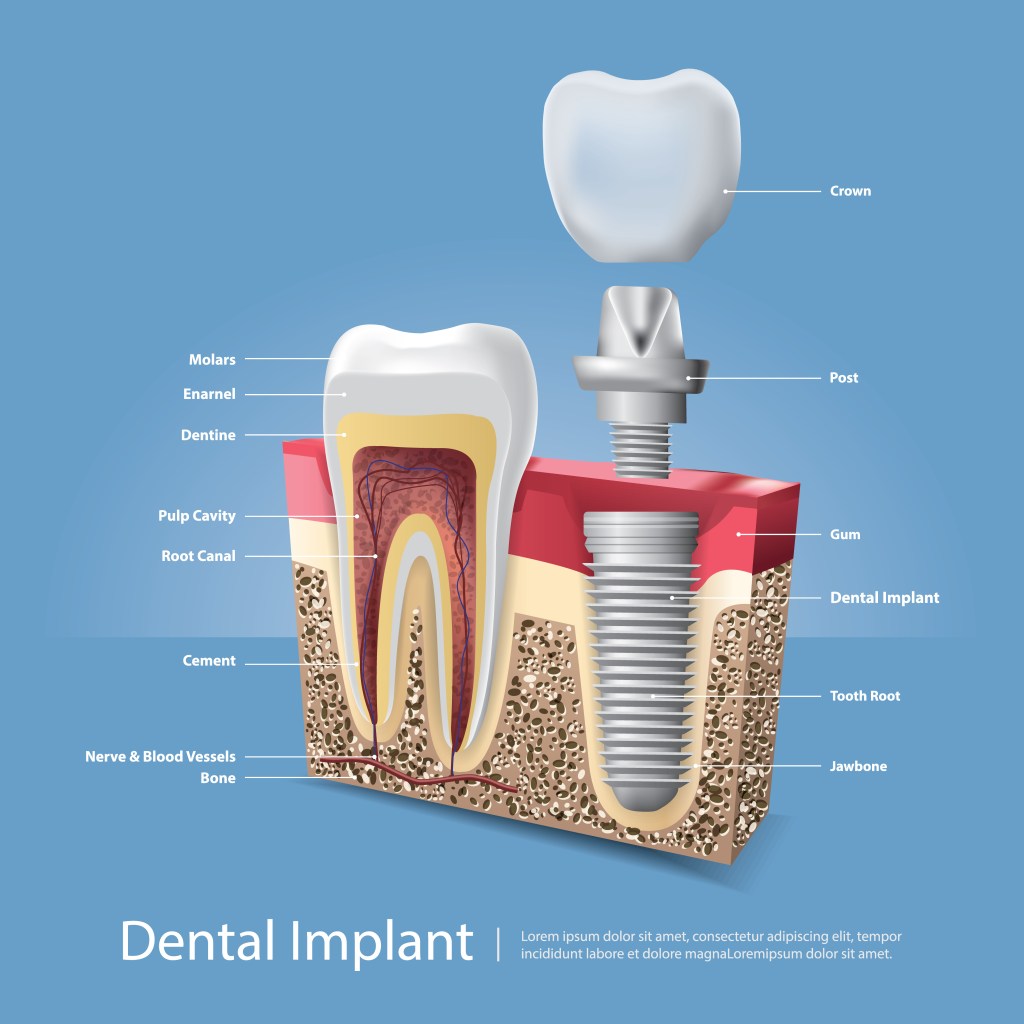
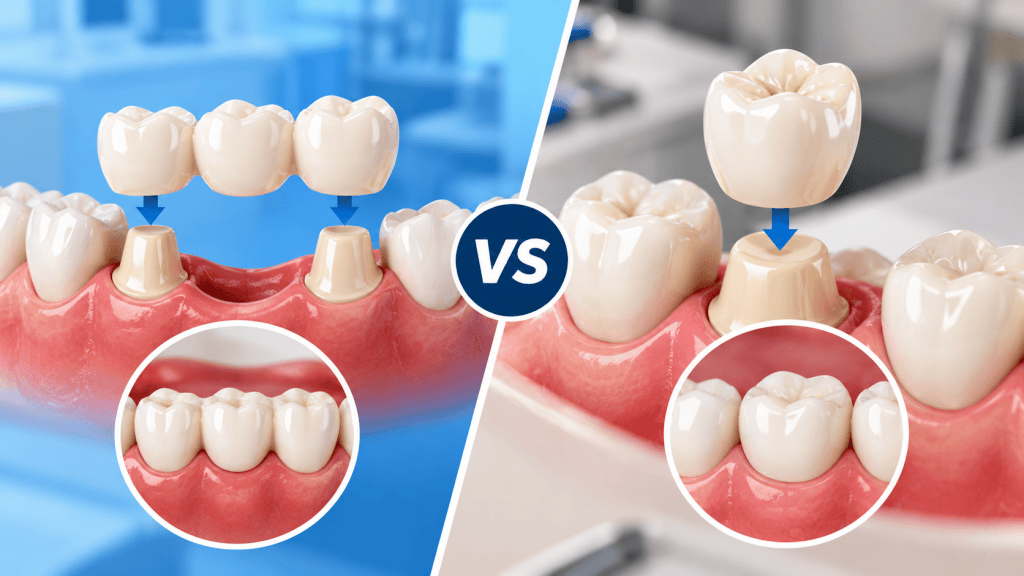
A dental crown covers an existing tooth or attaches to a dental implant. A traditional dental bridge fills a gap by using neighboring teeth as support.
Understanding these differences helps patients make informed decisions rather than choosing a treatment based only on appearance or price.
1. What Is a Dental Bridge?
A dental bridge is a fixed dental restoration that replaces one or more missing teeth.
Traditional bridges use artificial replacement teeth, called pontics, and crowns that attach to supporting natural teeth.
These supporting teeth, known as abutment teeth, help hold the bridge in place.
For example, imagine losing a tooth between two healthy teeth. A traditional bridge may fill that space by attaching to the teeth on either side.
Dentists may recommend dental bridges in Carlisle for patients who want a fixed tooth replacement and have suitable supporting teeth.
Common types of dental bridges include:
- Traditional bridges: Use crowns on neighboring teeth to support artificial teeth.
- Cantilever bridges: Attach to a supporting tooth on only one side of the gap.
- Maryland bridges: Use bonded wings, often made from metal or ceramic, to attach to adjacent teeth.
- Implant-supported bridges: Attach to dental implants instead of relying entirely on natural teeth.
Each design has specific advantages and limitations.
However, the best bridge design depends on the number of missing teeth, supporting structures, and overall oral health.
2. What Is a Dental Crown?
A dental crown is a tooth-shaped restoration that covers the visible portion of a prepared natural tooth.
Dentists commonly recommend crowns when a tooth has significant damage but still has enough healthy structure to support restoration.
Crowns can restore tooth shape, strength, and appearance.
Patients considering dental crowns in Carlisle may need treatment for several reasons:
- A tooth has a large cavity that cannot support a conventional filling.
- A tooth has cracks or significant structural damage.
- A tooth needs protection following root canal treatment.
- A worn tooth requires restoration.
- A dental implant needs a replacement tooth attached to it.
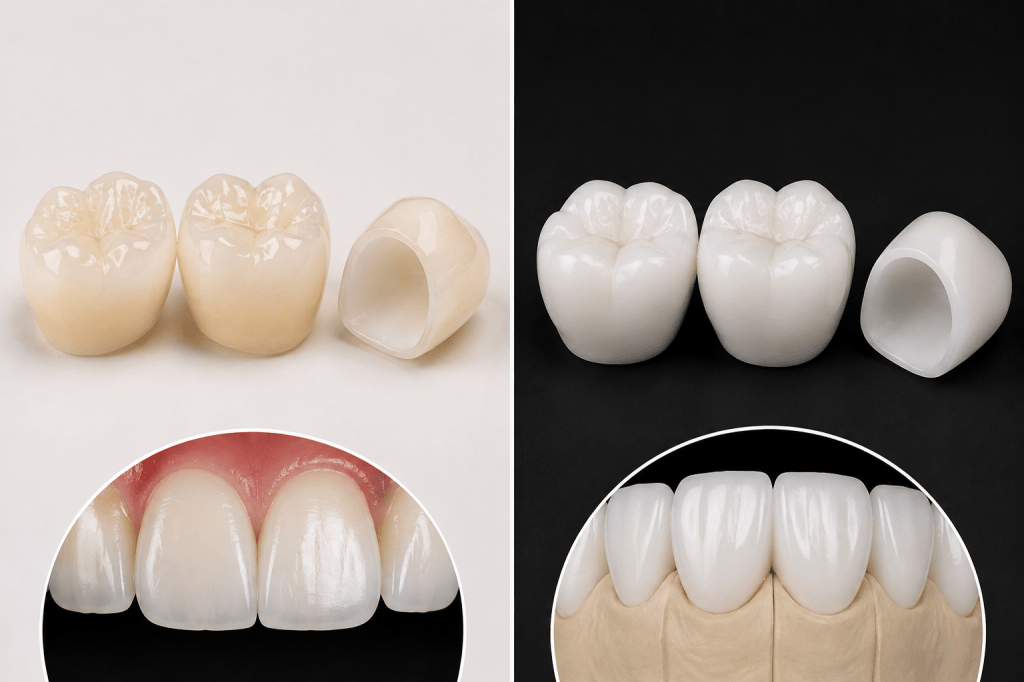
Dental crowns can use materials such as porcelain, ceramic, zirconia, metal alloys, or combinations of materials.
The appropriate material depends on tooth location, bite forces, appearance preferences, and clinical requirements.
Unlike a dental bridge, a single crown placed on a natural tooth does not replace an entirely missing tooth.
3. Dental Bridges vs Dental Crowns: Key Differences
Although crowns and bridges may look similar, their primary purposes differ.
A crown restores an existing tooth. A bridge replaces missing teeth and relies on supporting structures.
| Feature | Dental Bridge | Dental Crown |
| Main purpose | Replaces missing teeth | Restores damaged teeth |
| Tooth requirement | Needs suitable supporting teeth or implants | Needs a restorable tooth or implant |
| Structure | Includes artificial teeth and supporting components | Covers one tooth or attaches to an implant |
| Treatment preparation | May involve preparing neighboring teeth | Usually involves preparing the affected tooth |
| Cleaning | Requires cleaning beneath replacement teeth | Requires brushing and flossing around the crown |
| Main benefit | Restores gaps in the smile | Protects and strengthens damaged teeth |
One important detail often confuses: traditional dental bridges commonly include crowns as part of their structure.
That means bridges and crowns are not completely unrelated treatments.
Think of a crown as a protective helmet for a damaged tooth, while a bridge fills an empty space between teeth.
4. When Should You Consider a Dental Bridge?
Missing teeth can affect more than your smile.
A gap may change how you chew, influence speech, and allow neighboring teeth to shift over time.
Patients exploring restorative dentistry in Carlisle may benefit from a bridge when they have one or more missing teeth and want a fixed replacement.
A dentist may recommend a bridge when:
- You have a missing tooth or several adjacent missing teeth.
- Your remaining teeth can provide suitable support.
- You prefer a fixed restoration over a removable partial denture.
- Dental implants are unsuitable or not your preferred option.
- You want to restore chewing function and close visible gaps.
However, a traditional bridge requires careful evaluation of neighboring teeth.
Dentists usually remove some enamel from supporting teeth to make room for the crowns.
This preparation is generally irreversible.
If the neighboring teeth are healthy and untouched, your dentist may discuss alternatives that preserve more natural tooth structure.
5. When Is a Dental Crown the Better Option?
A dental crown may be appropriate when your natural tooth remains in place but needs substantial restoration.
For example, a large filling may leave too little healthy tooth structure to withstand everyday chewing forces.
A crown can cover the remaining tooth and help distribute biting forces.
Dentists may also recommend crowns for certain cracked teeth or after root canal treatment when the tooth needs additional protection.
Patients researching dental crowns in Carlisle should understand that not every damaged tooth requires a crown.
Small cavities often respond well to fillings. Some teeth may benefit from inlays, onlays, or other conservative restorations.
Your dentist will evaluate the extent of damage, tooth structure, gum health, and bite before recommending treatment.
The goal is to preserve as much healthy natural tooth structure as practical while providing a durable restoration.
6. How Do Dental Bridge and Crown Procedures Work?
Both procedures involve careful planning and customized dental restorations.
However, treatment steps differ depending on the condition of your teeth and the restoration type.
Dental bridge procedure
For a conventional tooth-supported bridge, treatment generally includes:
- Examining your teeth, gums, and supporting structures.
- Preparing the neighboring supporting teeth.
- Taking impressions or digital scans.
- Placing a temporary restoration when necessary.
- Creating the permanent bridge.
- Checking the fit, bite, and appearance.
- Cementing the final restoration.
Dental crown procedure
A conventional crown treatment often includes:
- Examining the damaged tooth.
- Removing decay or damaged material.
- Reshaping the tooth to accommodate the crown.
- Taking impressions or digital scans.
- Placing a temporary crown when necessary.
- Fitting and securing the final crown.
Some dental offices offer same-day crowns using digital design and milling technology.
Traditional crowns and bridges often require multiple appointments, while implant-supported restorations involve additional surgical and healing stages.
The exact timeline depends on your dental condition and the technology available.
7. How Long Do Dental Bridges and Crowns Last?
Dental bridges and crowns can provide years of reliable service, but neither lasts forever.
Several factors affect their lifespan:
- Quality and type of restoration material.
- Daily brushing and flossing habits.
- Health of supporting teeth and gums.
- Teeth grinding or clenching.
- Chewing habits and bite pressure.
- Regular dental examinations.
A crown may fail if decay develops around its edges or the underlying tooth fractures.
A bridge can develop problems if its supporting teeth weaken or gum disease affects the surrounding tissues.
Neither restoration makes your natural teeth immune to cavities.
With appropriate care and regular dental visits, you can improve the chances of keeping your restoration functional for many years.
8. How Much Do Dental Bridges and Crowns Cost?
Treatment costs vary based on the number of teeth involved, restoration materials, laboratory requirements, dental insurance, and treatment complexity.
A single crown generally involves fewer restoration units than a traditional three-unit bridge. However, this does not mean every crown will cost less than every bridge.
Additional procedures can also influence the total expense.
For example, a patient may need treatment for decay, gum disease, or damaged supporting teeth before receiving a permanent restoration.
When comparing dental bridges in Carlisle, ask your dental office for a written treatment estimate that includes preparation, temporary restorations, final placement, and possible additional procedures.
Insurance coverage also varies. Some dental plans contribute toward medically necessary restorative treatments, while others apply waiting periods, deductibles, annual limits, or exclusions.
Confirm your benefits directly with your insurance provider before scheduling treatment.
9. How to Care for Dental Bridges and Crowns
Good oral hygiene helps protect both restorations and the natural teeth supporting them.
The American Dental Association recommends brushing twice daily with fluoride toothpaste and cleaning between teeth once daily.
For crowns, floss carefully around the restoration and maintain healthy gums.
Bridges need additional attention because food and plaque can collect beneath the replacement tooth.
Your dentist may recommend floss threaders, interdental brushes, or water flossers to clean difficult areas.
Other useful habits include avoiding chewing ice, limiting extremely hard foods, and discussing a nightguard if you grind your teeth.
If your crown or bridge becomes loose, cracks, or causes persistent pain, contact your dentist.
10. Which Treatment Is Right for Your Smile?
Choosing between a bridge and crown starts with one important question: Is your natural tooth still present and restorable?
If you have a damaged tooth with sufficient healthy structure, a crown may help preserve it.
If you have a missing tooth, a bridge may replace it and restore chewing function.
Patients seeking restorative dentistry in Carlisle should receive an individual examination before deciding.
Your dentist may consider X-rays, gum health, remaining tooth structure, bite alignment, and available treatment alternatives.
In some situations, dental implants, partial dentures, fillings, or onlays may offer suitable alternatives.
The goal is not simply to choose the strongest-looking restoration. It is to select a treatment that supports long-term oral health while preserving healthy tooth structure whenever possible.
Restore Your Smile With the Right Dental Treatment
Dental bridges and crowns both play important roles in restoring oral health, but they address different dental problems.
A crown protects and restores an existing tooth, while a bridge replaces one or more missing teeth.
If you’re considering dental crowns in Carlisle, a dental examination can help determine whether your tooth needs full coverage or a more conservative treatment.
Materials: What Are Crowns and Bridges Made From?
Crowns and bridges can be made from porcelain, ceramic, metal alloys, porcelain-fused-to-metal, or zirconia-based materials. The right material depends on the tooth’s location, bite force, aesthetics, and the amount of remaining tooth structure.jada.
Front teeth often benefit from highly aesthetic ceramic options. Back teeth may require stronger materials because they handle greater chewing pressure. The American Dental Association notes that metal alloys can provide high-strength crowns and bridges, while ceramic materials offer tooth-colored alternatives.
Your dentist should explain the trade-offs clearly: appearance, durability, cost, and how much natural tooth structure must be removed.
How to Care for Crowns and Bridges
Crowns and bridges do not develop cavities themselves, but the natural tooth structure beneath and around them can. That is why daily hygiene matters.
- Brush twice daily with fluoride toothpaste.
- Floss once a day, including around the crown margins.
- Use a floss threader or interdental brush to clean beneath a bridge.
- Avoid chewing ice, hard candy, pens, and other objects that can crack dental work.
- Ask about a night guard if you grind or clench your teeth.
- Keep regular dental checkups and professional cleanings.
A bridge needs a little extra attention under the artificial tooth. Food and plaque can collect there, and a regular toothbrush cannot always reach the area. A floss threader makes the job much easier.
Frequently Asked Questions
1. Is a dental bridge better than a crown?
Neither is universally better. A bridge replaces missing teeth, while a crown restores an existing damaged tooth.
2. Can a dental crown replace a missing tooth?
A crown alone cannot replace a missing natural tooth. However, a dentist can attach a crown to a dental implant.
3. Are dental bridges permanent?
Dental bridges are fixed restorations, but they may eventually need repair or replacement due to wear, damage, or changes in supporting teeth.
4. Does getting a dental crown hurt?
Dentists typically use local anesthesia during tooth preparation. Some temporary sensitivity or gum discomfort may occur afterward.
5. How many teeth can a dental bridge replace?
Traditional bridges commonly replace one to three consecutive missing teeth. The number depends on available support and individual dental conditions.
6. Can cavities develop beneath dental crowns?
Yes. Natural tooth structure beneath a crown can still develop decay, particularly around restoration margins if plaque accumulates.
7. Can I eat normally with a dental bridge?
Most patients can return to many normal foods after adjusting to their bridge. Avoid extremely hard or sticky foods that could damage the restoration.