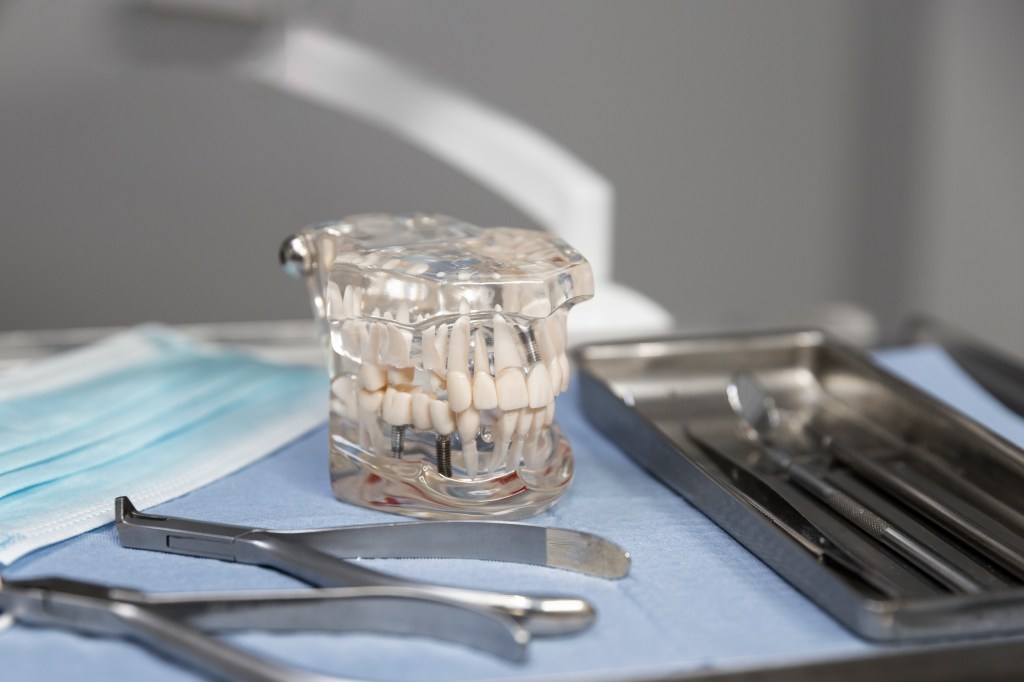
Replacing missing teeth involves more than choosing an attractive smile. You also need to consider chewing ability, oral health, treatment time, maintenance, and long-term costs. If you have lost several teeth or need to replace an entire arch, two options worth discussing with your dentist are All-on-4 dental implants and traditional dental implants.
Both treatments use implants placed in the jawbone to support replacement teeth. However, they differ in how many implants a dentist may use, how they support the replacement teeth, and how the treatment plan fits your needs.
For patients researching all-on-4 dental implants in Carlisle, understanding these differences can make the consultation process easier. You can ask more focused questions, understand the benefits and limitations of each option, and make a decision based on your oral health rather than marketing promises.
Let’s explore how these treatments compare and what you should discuss with your dental professional before choosing one.
What Are All-on-4 Dental Implants?
All-on-4 is a treatment approach that uses four dental implants to support a full arch of replacement teeth in suitable patients. A dentist or implant specialist places the implants in the jawbone and attaches a fixed prosthesis according to the treatment plan.
The technique often places the two front implants vertically and angles the two back implants. This arrangement can help the dental team use available bone in selected cases and may reduce the need for bone grafting. However, not every patient qualifies for this approach, and some patients still need additional procedures.
One major advantage is that four implants can support an entire arch rather than requiring a separate implant for every missing tooth.
For example, someone who has lost most or all of their upper teeth may prefer a fixed full-arch restoration instead of replacing every tooth individually. All-on-4 may offer a suitable option after a clinical examination and review of the patient’s bone and gum health.
However, four implants do not automatically mean a simpler or faster experience for everyone. Your dentist must evaluate your anatomy, medical history, bite, and expectations before recommending treatment.
What Are Traditional Dental Implants?
Traditional dental implants replace missing teeth individually or support bridges and other restorations when a patient has several missing teeth.
A dentist places a small implant, usually made from titanium or another biocompatible material, into the jawbone. During healing, the bone integrates with the implant through a process called osseointegration. The dentist can then attach a crown, bridge, or another suitable restoration.
Traditional implants offer flexibility because the dentist can plan treatment around the number and position of missing teeth.
For example, a patient missing one tooth may need just one implant and one crown. Someone missing three adjacent teeth may qualify for an implant-supported bridge, depending on their oral health and treatment goals.
Patients considering carlisle dental implants should understand that traditional treatment does not always mean one implant for every missing tooth. The dentist selects the number of implants according to the restoration design, available bone, and individual clinical needs.
The main advantage is flexibility. However, replacing an entire arch with multiple implants may require more surgical sites, additional appointments, and a different treatment budget than an All-on-4 approach.
All-on-4 vs Traditional Dental Implants: Key Differences
Both treatments aim to restore function and appearance, but their design and intended use differ.
| Feature | All-on-4 dental implants | Traditional dental implants |
| Typical purpose | Replacing most or all teeth in one arch | Replacing individual teeth, several teeth, or supporting bridges |
| Number of implants | Four per arch in the standard concept | Varies with the number of teeth and restoration design |
| Replacement teeth | Usually one fixed full-arch prosthesis | Individual crowns, bridges, or other restorations |
| Bone requirements | Angled implant placement may help use available bone | Depends on implant position and restoration plan |
| Bone grafting | May be avoidable in selected cases | May be necessary when available bone is insufficient |
| Treatment timeline | May allow early temporary teeth in suitable cases | Varies with the number of implants and healing requirements |
| Maintenance | Requires careful cleaning beneath the full-arch prosthesis | Requires cleaning around each implant and restoration |
| Cost | Depends on the full-arch treatment plan | Depends on implant numbers, restorations, and additional procedures |
These are general differences, not guarantees. Your dentist must assess your mouth before recommending either treatment.
Which Option Offers Better Results?
Neither approach is automatically better for every patient.
All-on-4 can provide a fixed replacement for an entire arch using four strategically positioned implants. Traditional implant treatment offers more flexibility for individual tooth replacement and different restorative designs.
A 2026 systematic review published in Dentistry Journal examined All-on-4 and alternative full-arch implant-supported treatments. The researchers found broadly comparable prosthesis survival ranges, but they also highlighted limitations in the available evidence, including differences between study designs and predominantly retrospective data. Read the systematic review on PubMed.
The practical lesson is simple: don’t choose a procedure based on the number of implants alone. The dentist should consider your bone structure, bite, gum health, medical history, and long-term maintenance needs.
Interesting Read: The 5 Types of Dental Implants Explained: Single Tooth, All-on-4, Mini & More
Who May Benefit From Each Treatment?
When All-on-4 May Be Suitable
A dentist may consider All-on-4 if you:
- Have lost most or all teeth in the upper or lower arch.
- Need a fixed full-arch restoration.
- Have sufficient bone in suitable locations for stable implant placement.
- Want to discuss a treatment that may avoid extensive bone grafting.
- Can maintain the restoration and attend regular follow-up appointments.
Some patients may receive a temporary fixed prosthesis shortly after surgery. However, immediate or early loading depends on implant stability, bone quality, and the clinician’s assessment. It is not guaranteed for every patient.
When Traditional Implants May Be Suitable
Traditional implants may be appropriate if you:
- Have one or several missing teeth.
- Want to replace individual teeth without replacing an entire arch.
- Need an implant-supported bridge.
- Have a treatment plan that calls for a different number or arrangement of implants.
- Want to preserve suitable natural teeth while replacing missing ones.
Patients researching dentists in Carlisle, PA should ask for an examination and a clear explanation of which treatment options suit their specific situation.
A good treatment plan should explain the alternatives, expected benefits, limitations, risks, and likely maintenance requirements.
Cost and Treatment Time: What Should You Expect?
The cost of dental implants depends on several factors, including the number of implants, type of restoration, diagnostic tests, surgical complexity, and any additional procedures.
All-on-4 may reduce the number of implants needed for a full-arch restoration, but that does not automatically make it the least expensive option. The complete cost includes surgery, temporary teeth when needed, the final prosthesis, follow-up visits, and future maintenance.
Traditional implants also vary in price. Replacing one tooth differs considerably from restoring several teeth with multiple implants and bridges.
Treatment time varies, too. Some patients qualify for temporary teeth soon after implant placement, while others need a healing period before the dentist attaches the final restoration. Bone grafting and other procedures can extend the overall timeline.
When comparing Carlisle dental implants options, request a written treatment estimate that separates surgical fees, restorations, imaging, follow-up care, and possible additional procedures. Ask what the estimate includes before making a decision.
Risks, Recovery, and Long-Term Maintenance
Dental implants require surgery, so patients should understand the potential risks before treatment.
The U.S. Food and Drug Administration identifies possible complications such as damage to surrounding structures, infection, implant failure, and problems involving the tissues around an implant. Risks vary according to the patient and procedure. Read the FDA’s dental implant guidance.
After surgery, follow your dental team’s instructions for eating, cleaning your mouth, taking prescribed medication, and attending follow-up appointments.
Long-term care matters just as much as the procedure itself. Brush twice daily, clean around your implants as directed, and attend regular dental checkups. Your dentist may recommend special brushes or other tools to clean beneath a full-arch prosthesis.
Even though implant-supported teeth cannot develop cavities like natural teeth, the surrounding gums and bone still need protection. Neglecting oral hygiene can contribute to inflammation and peri-implant disease.
For patients exploring all-on-4 dental implants in Carlisle, ongoing maintenance should be part of the treatment discussion from the beginning, not an afterthought.
Interesting Read: How Digital Dentistry Is Making Dental Implant Procedures More Accurate
Questions to Ask Before Choosing Dental Implants
Before committing to treatment, prepare a few questions for your consultation:
- Which option best suits my current oral health and remaining teeth?
- Do I have enough bone for the proposed implant placement?
- Will I need bone grafting or tooth extractions?
- Can I receive temporary teeth shortly after surgery?
- What type of final restoration will I receive?
- What are the total treatment and maintenance costs?
- How will I clean the restoration at home?
- What happens if an implant or part of the restoration fails?
These questions help you understand the treatment rather than focusing only on the final smile.
Experienced dentists in Carlisle, PA can evaluate your individual needs and explain the options available to you. Ask for a treatment plan that clearly outlines the proposed procedure, alternatives, risks, timeline, and expected expenses.
Choosing the Right Dental Implant Treatment
All-on-4 and traditional dental implants can both help restore missing teeth, but they serve different treatment needs. All-on-4 focuses on supporting a full arch with four strategically placed implants, while traditional implants offer flexible solutions for replacing individual teeth, several teeth, or larger sections of the mouth.
The right choice depends on your bone structure, gum health, remaining teeth, budget, and long-term goals.
If you’re researching all-on-4 dental implants, start with a professional evaluation rather than assuming that one treatment works for everyone. Compare the full treatment plans, understand the maintenance involved, and discuss any concerns before proceeding.
Frequently Asked Questions
1. What is the main difference between All-on-4 and traditional dental implants?
All-on-4 uses four implants to support a full arch of replacement teeth in suitable patients. Traditional implants can replace individual teeth, support bridges, or serve other restorative purposes.
2. Does All-on-4 require less bone than traditional implants?
Angled implant placement may help dentists use available bone and avoid grafting in selected cases. However, some patients still need bone grafting or other procedures.
3. Do All-on-4 implants last as long as traditional implants?
Both approaches can provide long-term results, but outcomes depend on bone health, oral hygiene, implant placement, restoration design, and regular professional care. No treatment guarantees lifelong success.
4. Is All-on-4 suitable for replacing one missing tooth?
All-on-4 generally treats an entire dental arch. A single traditional implant with a crown may be more appropriate for replacing one missing tooth, depending on the clinical situation.
5. How do I choose between these treatments in Carlisle?
Arrange an examination, review your treatment options, and ask for a written estimate. Your dentist can explain which approach best fits your oral health and restorative goals.


Leave a Reply